

Classification of RFID UHF anti-metal tags
Date: 2026-03-26
Classification of RFID UHF anti-metal tags
RFID UHF anti-metal tags refer to UHF RFID tags that have anti-metal interference characteristics. For traditional UHF RFID tags, the signal is reflected or blocked by the metal surface, which affects the reading effect of tags. Therefore, RFID UHF anti-metal tags are required.
Based on application scenarios and specific needs, RFID UHF anti-metal tags are classified into four types. The following will detail the characteristics and application scenarios of these four types of UHF anti-metal tags.
RFID UHF Flexible Anti-Metal Tag
RFID UHF flexible anti-metal tags are packaged with aluminum etched antenna and PET material, which can be bent, and have waterproof and oil-proof characteristics. They are mainly used for logistics management, such as tracking metallic containers, equipment, warehouse shelves, automotive components, and fixed assets.
Advantages: 1. Flexible and bendable, suitable for various shapes and surfaces. 2. Can be recognized on a metal surface and have a wide reading range. 3. The surface can be printed with logos, serial numbers, or QR codes
UHF PCB Anti-Metal Tag
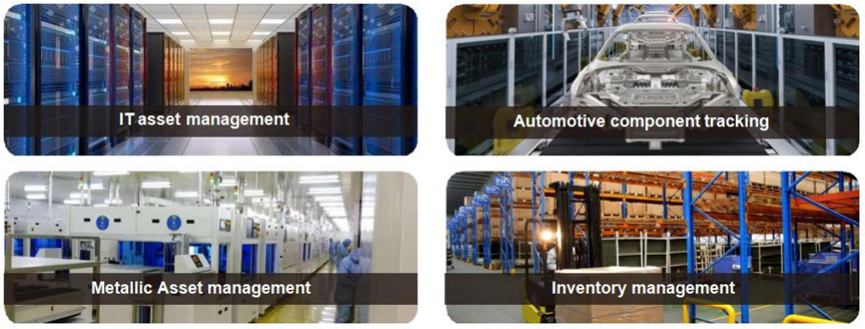
This on-metal tag is constructed with FR-4 materials and has an IP68 rating, making it highly reliable and durable in various environments, including outdoor waterproof, strong acid, and strong base. This type of tag has a higher reading range and better cost performance, and its high-strength packaging method and special design ensure a longer reading distance.
Advantages: 1. Easy to install. 2. Applicable to metal surfaces or surfaces of other materials. 3. Higher cost performance than traditional tags.
Application scenarios:
UHF High Protecting Anti-Metal Tag
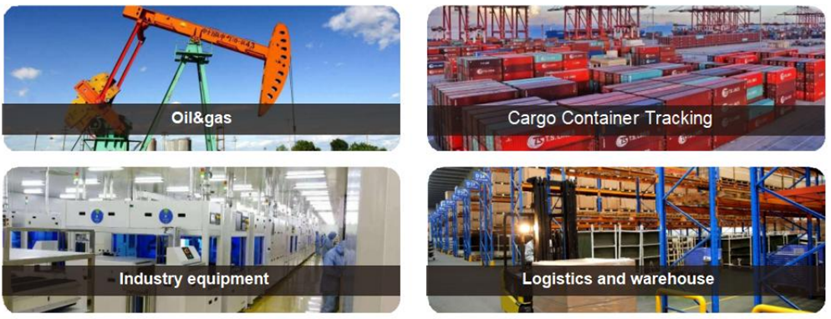
This UHF high protecting anti metal tag is specially designed for tracking metallic assets in outdoor or extremely harsh environments. With a long reading distance when attached to metal, it is mainly used for asset management in heavy industry, metallic asset tracking, oil and gas, mining, automatic production lines, warehouse shelves, container tracking, and more.
Advantages: 1. High strength and toughness, anti-collision, anti-drop and anti-squeeze. 2. Reliable reading distance and recognition. 3. Can be used for a long time in harsh environments.
Application scenarios:
UHF Ceramic Tag
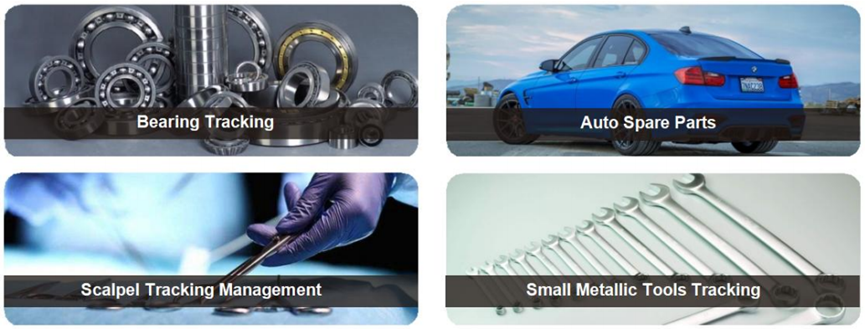
The tag can be embedded in metal and can withstand repeated autoclave cycles. It is designed to meet FDA requirements, is ATEX certified, and is an ideal solution for tracking small tools such as scalpels, bearings, auto spare parts, etc. It is compatible to ensure safety in medical applications and has been tested to survive high heat in repeated autoclave cycles and industrial chemical washes that can normally complicate the application of RFID devices.
Advantages: 1. High temperature resistance, suitable for harsh environments. 2. Features anti-metal interference. 3. Small in size, suitable for the management of small tools.
Application scenarios:
In summary, RFID UHF anti-metal tags can effectively improve the application performance of RFID technology on metal surfaces, making the management of metal equipment and assets much more convenient.